

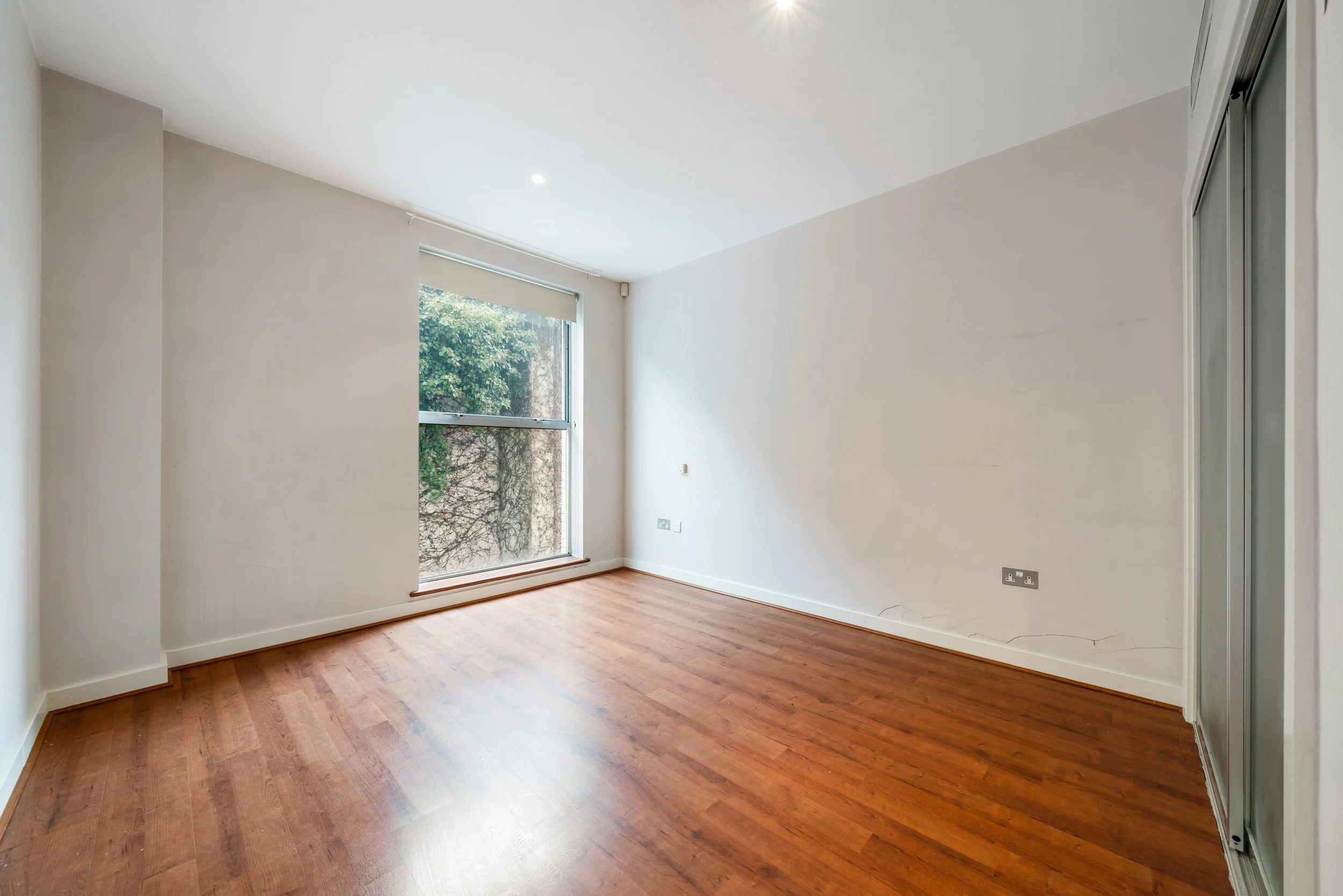
You’ve probably seen it before: a great property goes live, the rooms are freshly painted, the light is nice… but the photos still feel a bit “flat”. Not because the home isn’t good, simply because it’s empty. With no furniture, it’s harder to understand scale, harder to picture how you’d actually live there, and easy to scroll past without a second thought.
That’s exactly why virtual staging has become such a powerful tool in real estate marketing. It helps turn empty rooms into spaces that feel lived-in (in a good way), so buyers can instantly grasp how the layout works and what the property could look like day to day, without the cost and logistics of physically staging the home.
What Virtual Staging Is (and What It Isn’t)
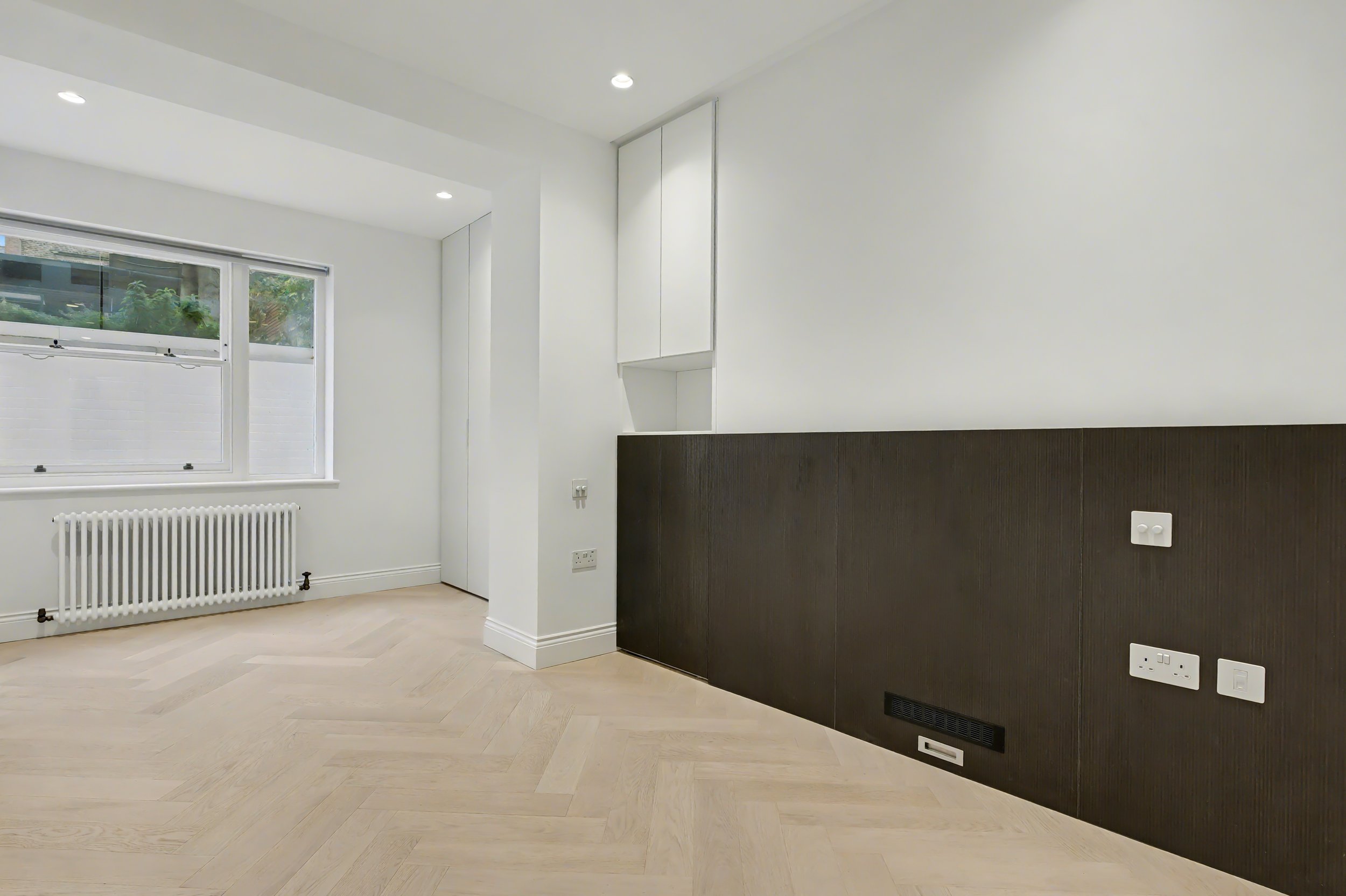
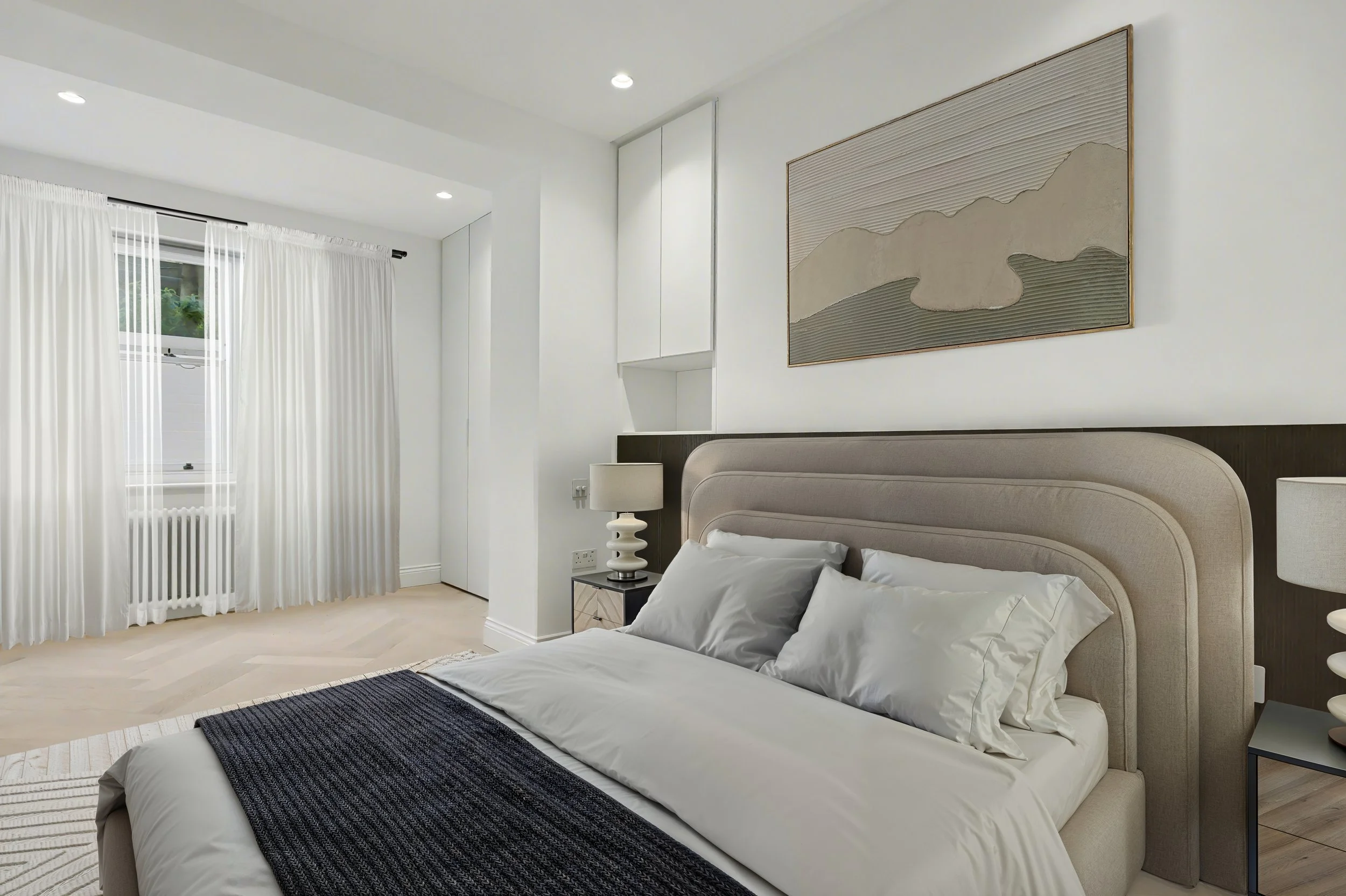
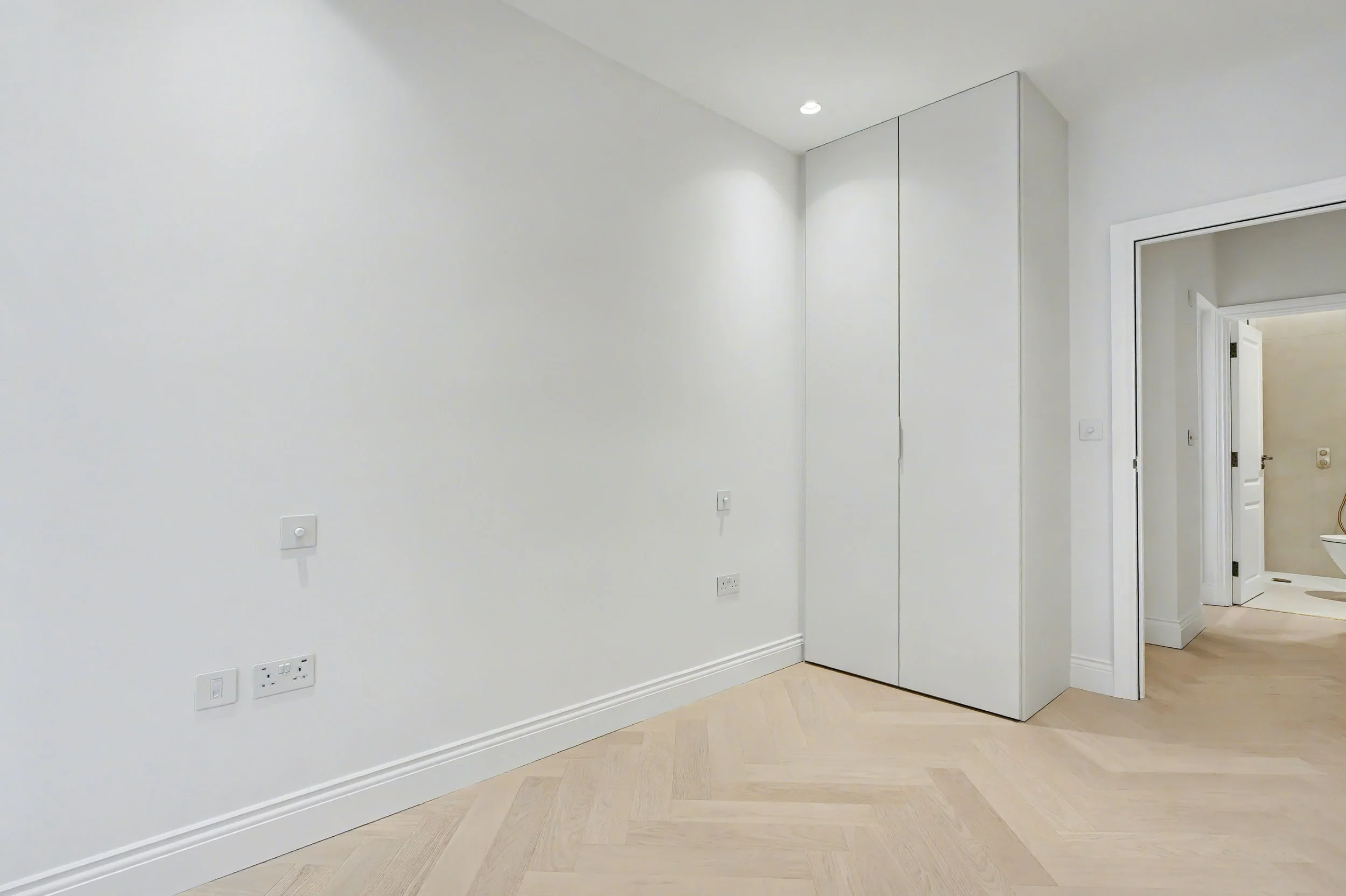
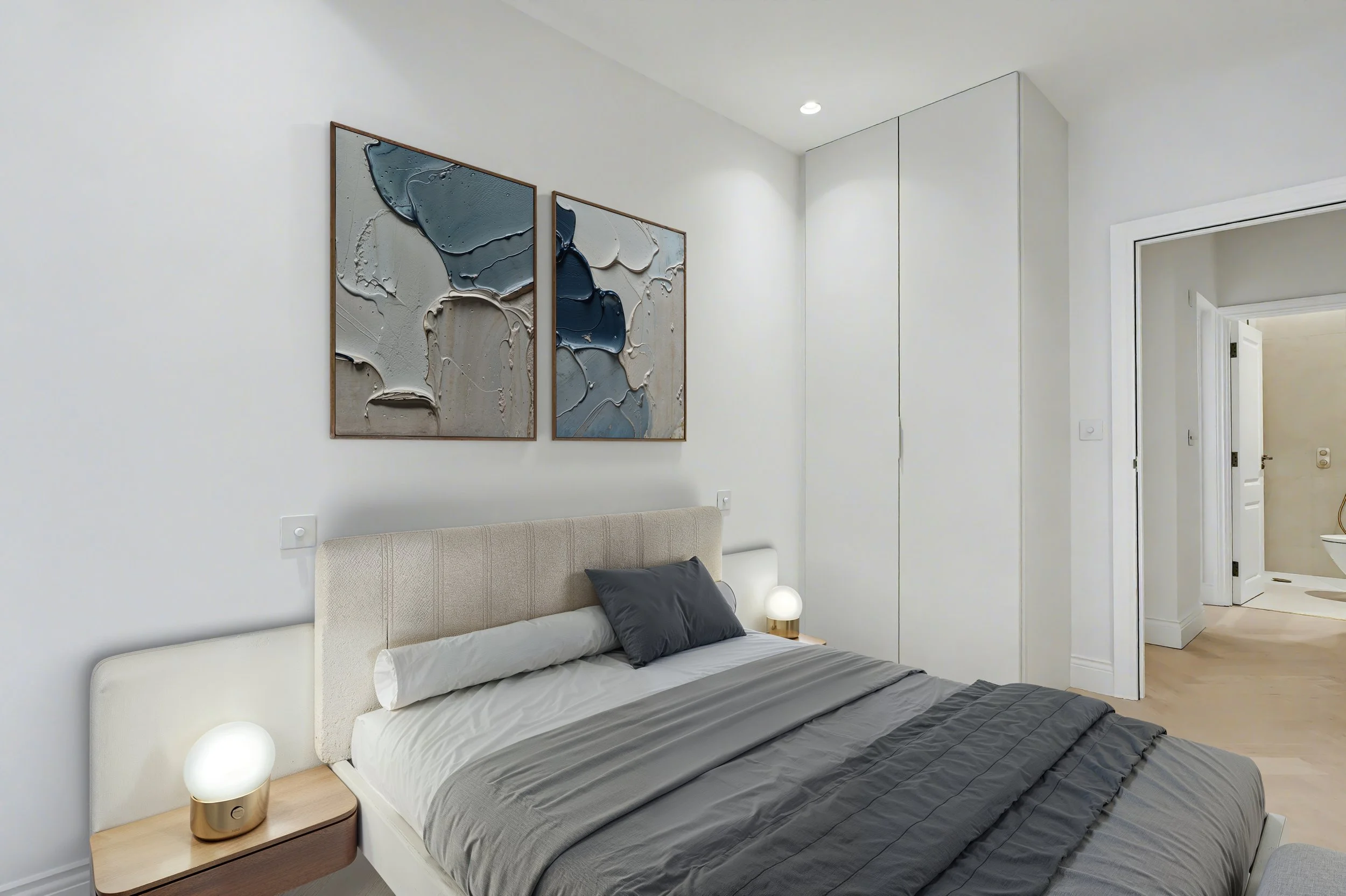
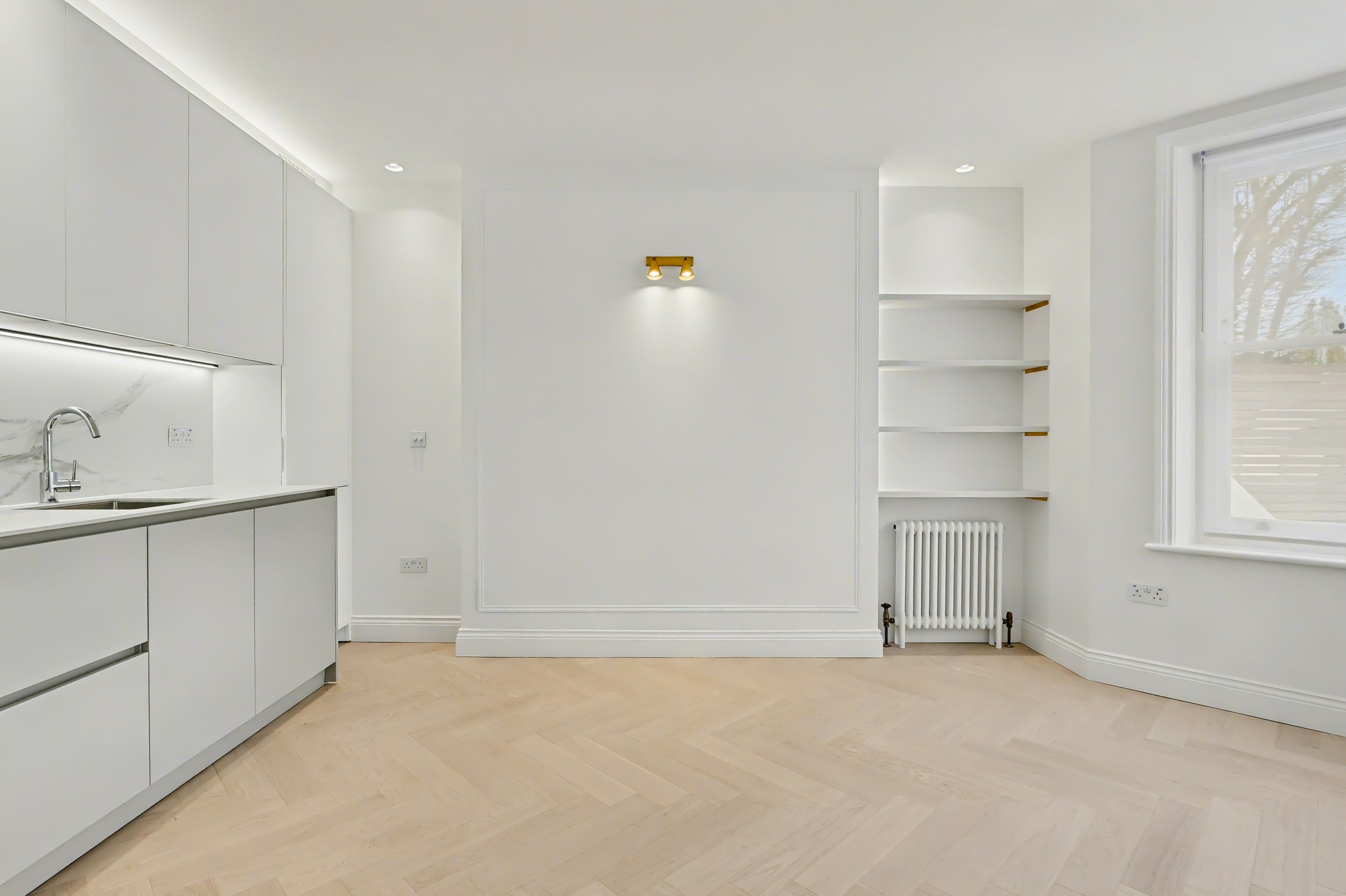
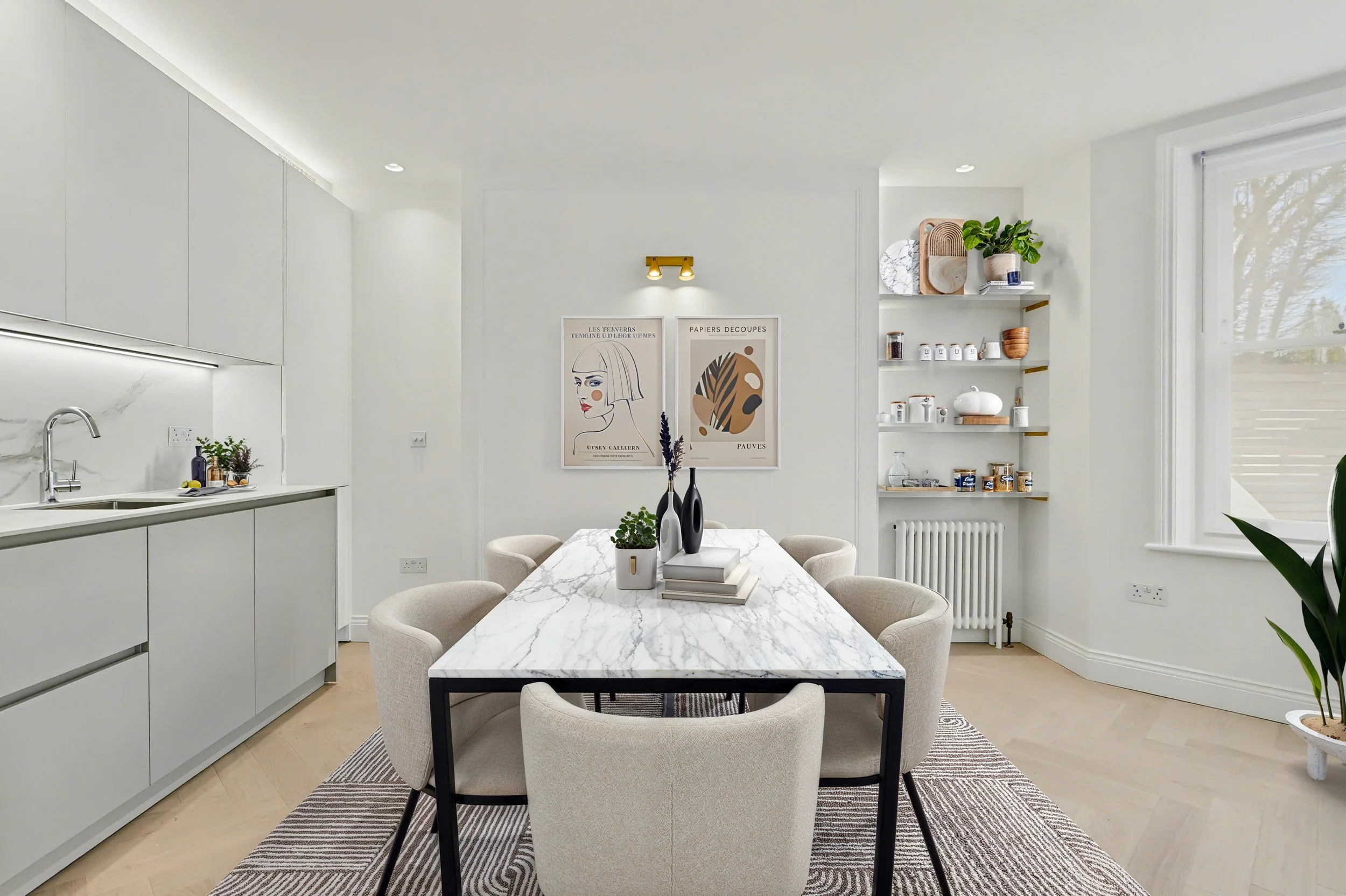
Virtual staging for real estate means adding realistic furniture and décor to professional listing photos. The key word here is realistic. Done properly, it looks natural, like the home has been thoughtfully furnished, not edited.
It is:
A way to show how a room could work (especially open-plan spaces)
A way to make an empty property feel warmer and more inviting online
A practical alternative to traditional staging
It isn’t:
Changing the structure of the room
Covering up flaws or defects
Replacing good photography
In fact, virtual staging only works as well as the photo it’s built on. Strong lighting, clean angles, straight lines. That’s what makes the end result believable.
Why It Works? It Removes Uncertainty
Most buyers aren’t designers. When they see an empty room, they often start guessing:
“Would a sofa even fit here?”
“Where does the dining table go?”
“Is that second bedroom actually usable?”
Virtual staging answers those questions quickly. It gives the room a purpose, adds a sense of proportion, and helps people imagine living there which is the whole point of the listing photos in the first place.
It can also make a big difference to engagement. Listings that feel clear and welcoming tend to hold attention longer, get more saves, and generate more viewing requests. That matters anywhere, but it matters even more in London, where buyers often shortlist properties quickly based on the first few images.
The Rooms That Benefit Most From Virtual Staging
You don’t have to stage every single photo. In most cases, the best approach is to stage the images that do the heavy lifting. The ones that shape first impressions and help the viewer understand the space.
The most common “high impact” rooms are:
Living rooms: often the first image people see
Main bedrooms: comfort and lifestyle
Open-plan kitchen/living areas: to show zones clearly
Awkward spaces: box rooms, corners, extra reception areas
Virtual staging is also a great idea when a property is vacant because the seller has already moved, it’s newly refurbished, or it’s a rental between tenancies, all situations that come up constantly across London.
Virtual Staging Cost: Why It’s Usually Great Value
Traditional staging can work beautifully, but it comes with real-world logistics: furniture hire, delivery, styling, collecting keys, coordinating access and ongoing rental fees if the property stays on the market.
Virtual staging is typically priced per image (or per set of images), which makes it much more flexible. You can stage just a handful of “hero” photos, or stage a fuller selection depending on the value of the property and how it’s being marketed.
If you’re weighing up virtual staging cost, it helps to think of it this way: empty rooms can look smaller and less inviting online, even when they’re not. And if the listing doesn’t grab attention, it’s harder to earn viewings. Virtual staging is a relatively small investment compared to the potential cost of missed interest.
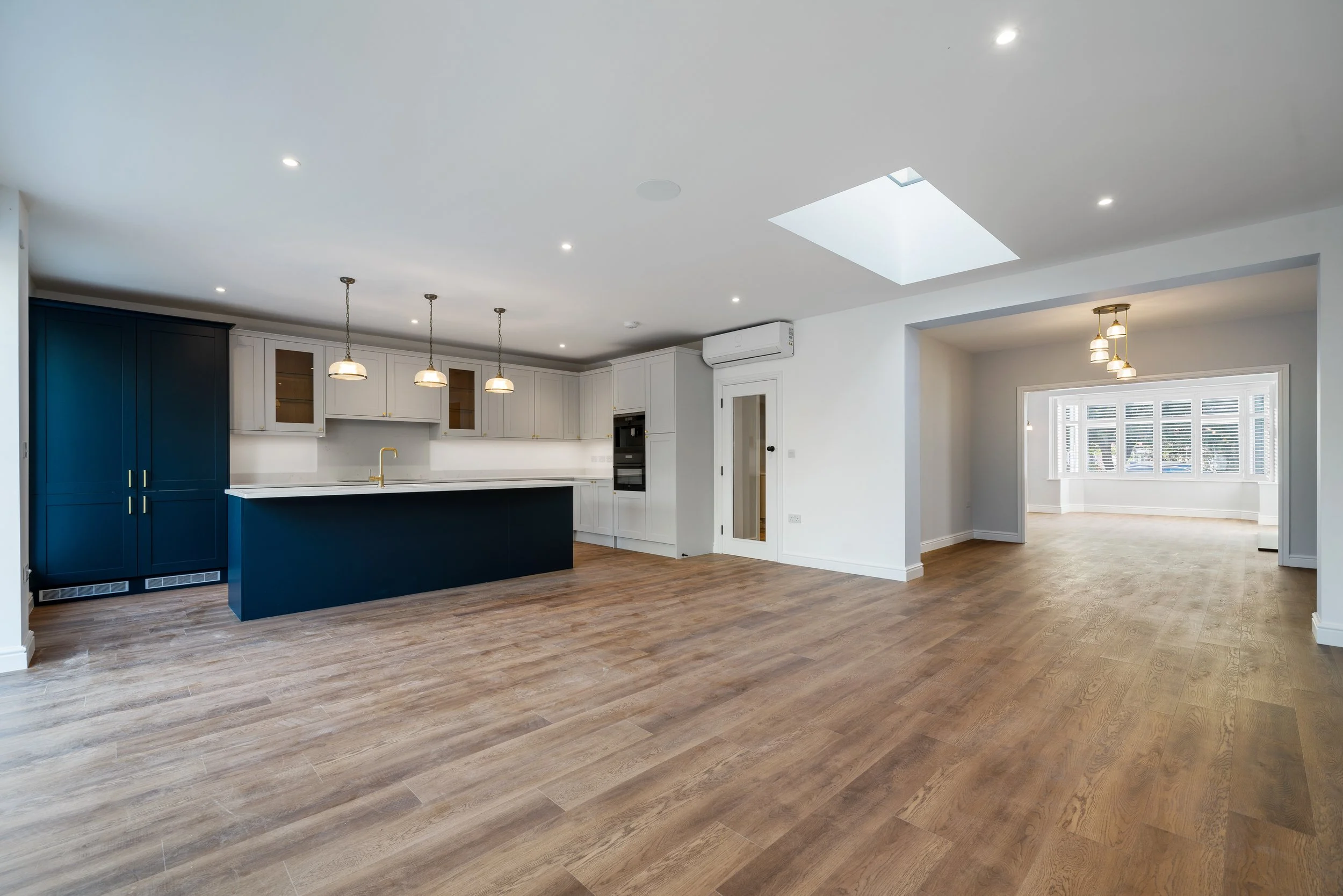
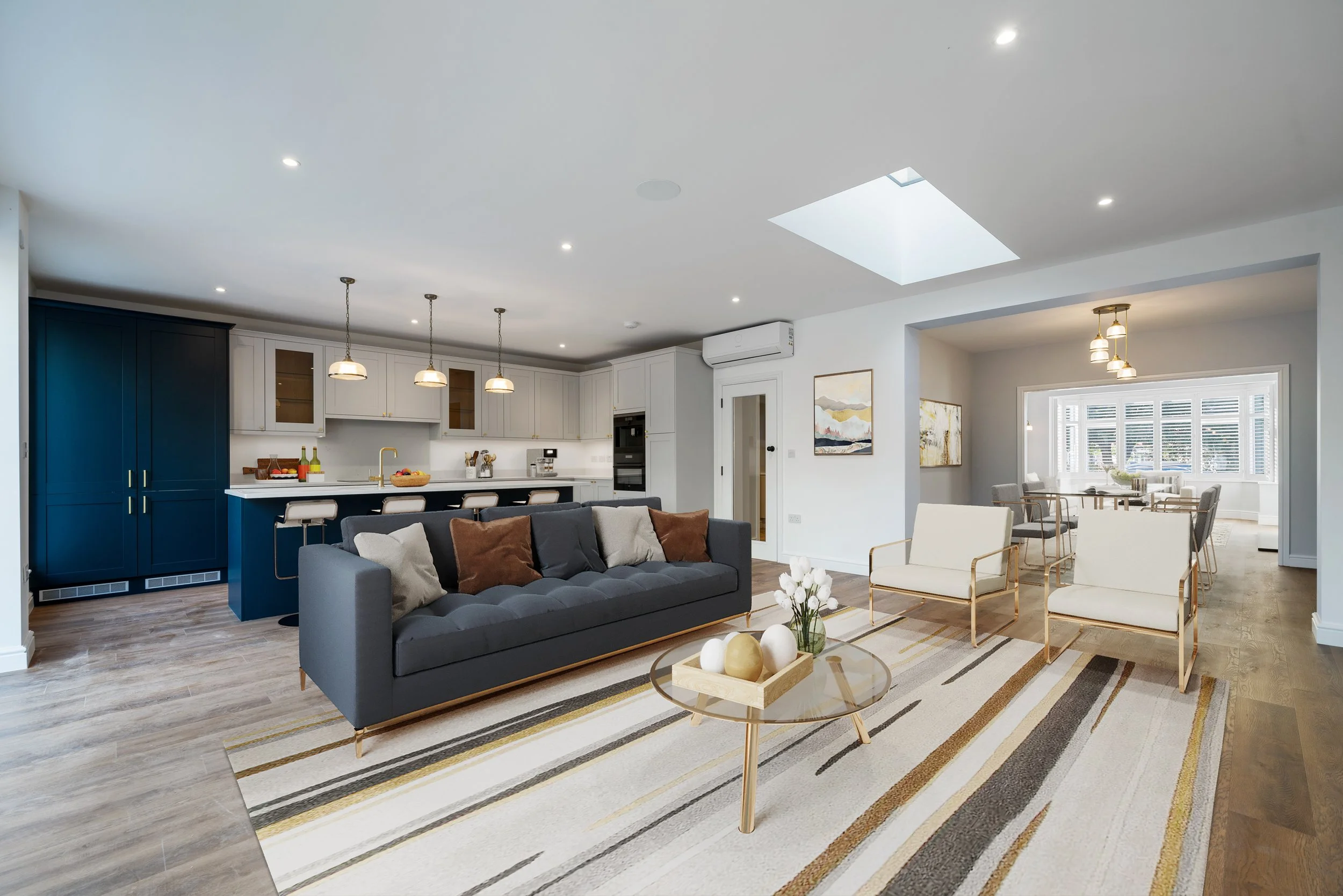
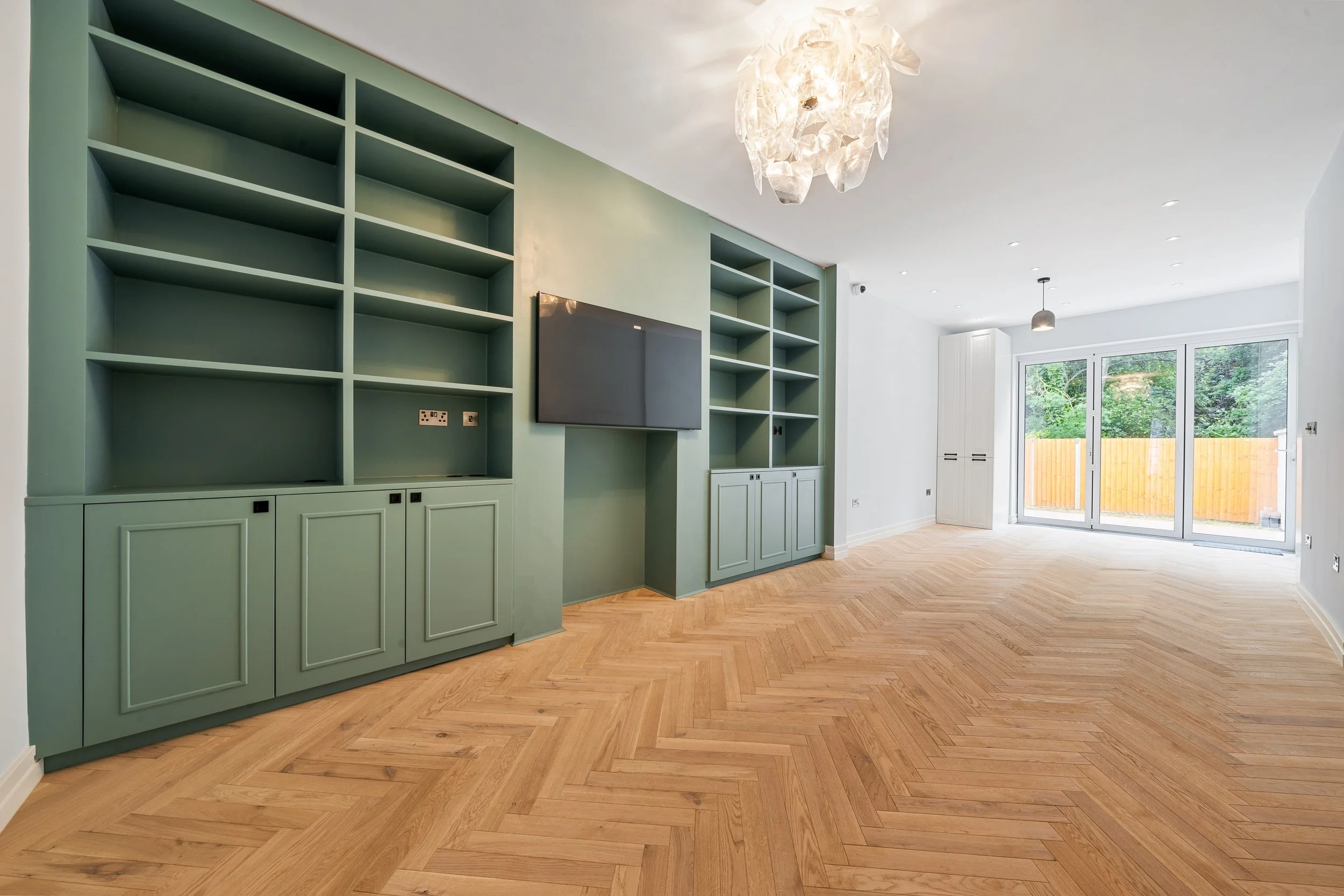
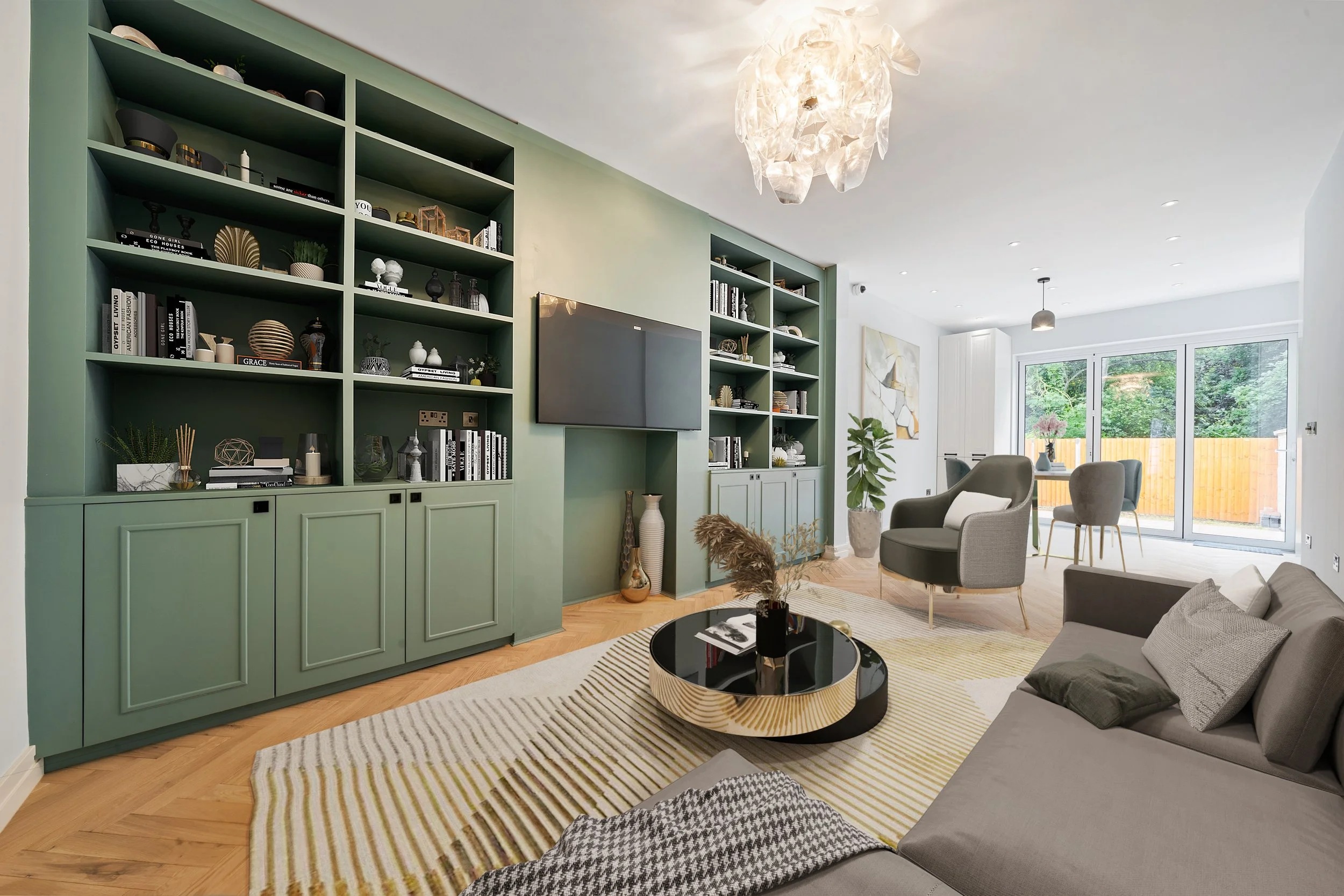
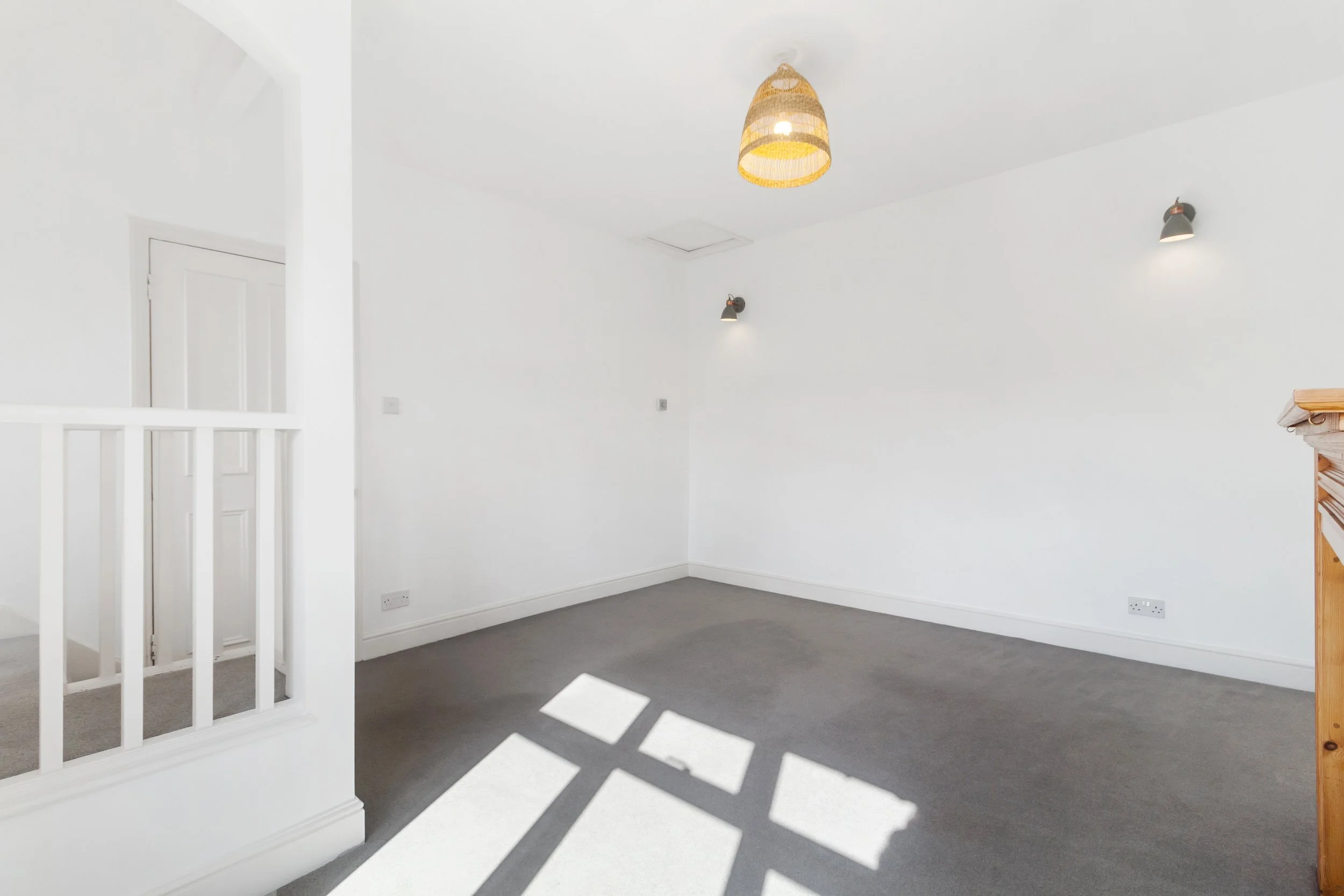
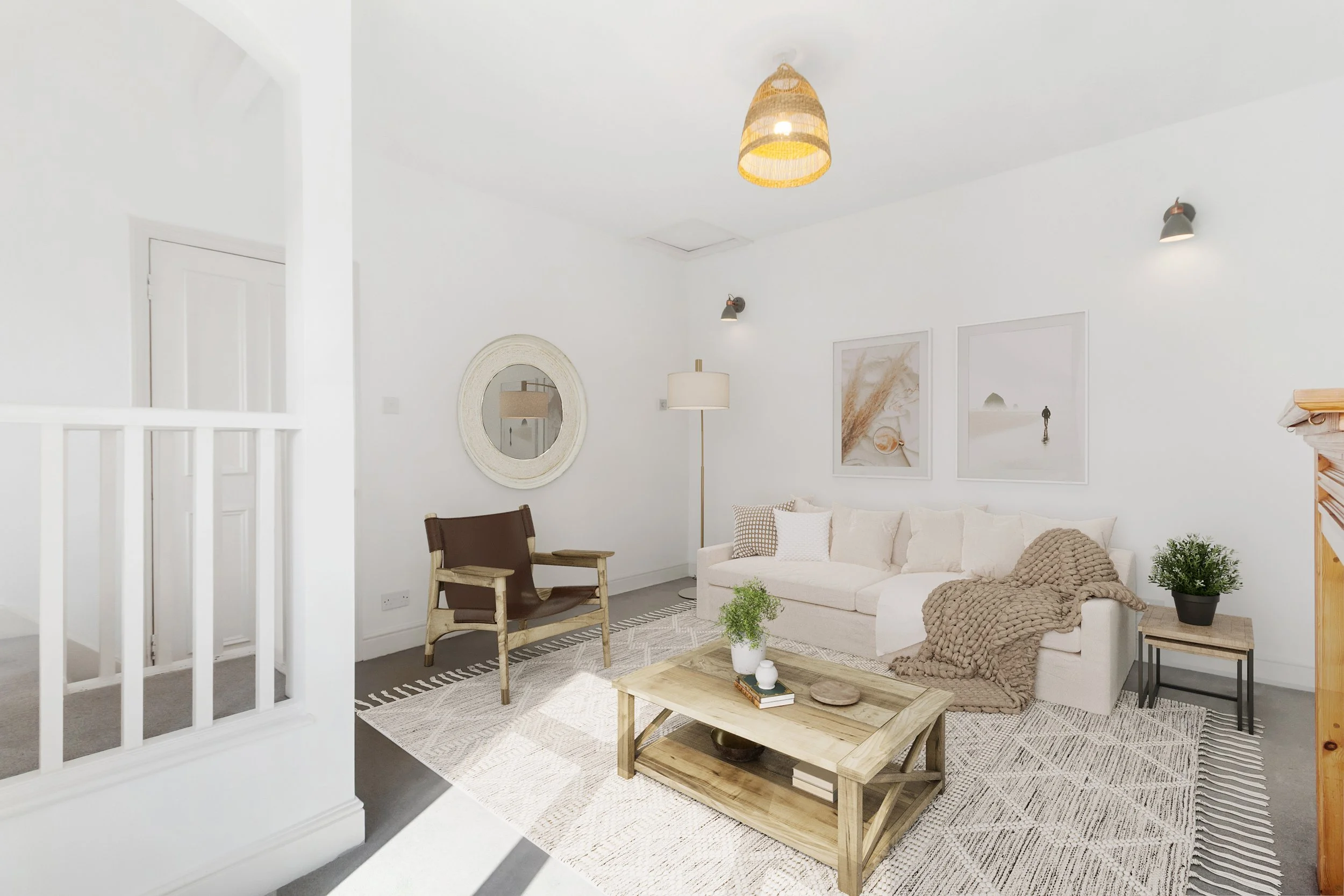
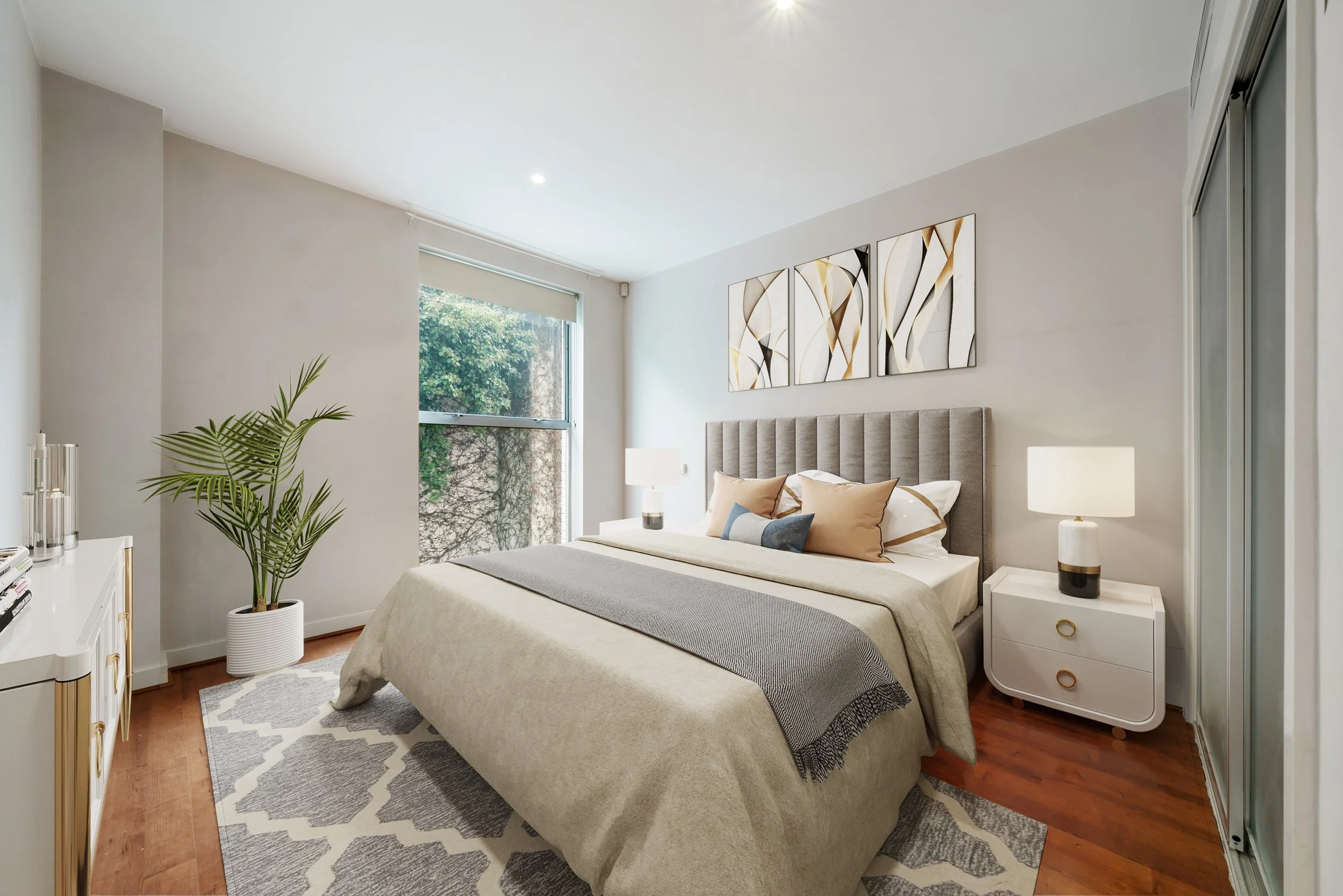
How AI Is Changing Virtual Staging. Why Quality Control Still Matters
AI has made virtual staging more accessible than it used to be. It’s faster to create concepts, easier to explore different interior styles, and generally more affordable to produce staged sets at scale.
But the part that still matters most is the finishing. Without proper checks, AI staging can look slightly off. Furniture that’s the wrong size, odd shadows, perspective issues, or a style that doesn’t suit the home.
The best results come from combining the speed of AI with human judgement, making sure the furniture fits naturally, lighting looks consistent, and the staged images still feel believable from photo to photo.
Why Virtual Staging Works Best with Professional Photography
Virtual staging isn’t a “fix” for poor photos, it’s a way to make good photos perform even better.
That’s why strong property photography is so important: clean compositions, accurate colour, and well-edited images create the base that staging can sit on convincingly.
At Prime Perspectives, we provide professional property photography in London and virtual staging designed specifically for listings; meaning we’re thinking about what will work on the portals, what will hold attention, and what will help buyers understand the space quickly.
Our approach is simple:
Make the base photography clean, bright and premium
Stage in a way that suits the property (modern, period, minimal, luxury)
Keep the look consistent across the whole set
Turn it around quickly so you can launch without delays
Want to See What Virtual Staging Could Do for Your Next Listing?
If you’ve got an empty property coming up, virtual staging is one of the easiest ways to make the listing feel more complete and help buyers connect with it faster.
If you’d like, send us a few images (or the listing address) and we’ll recommend which rooms are worth staging for the biggest impact.
Contact us or book a quick discovery call with Prime Perspectives.